

Your creative process is more valuable than the finished product
We’re slowly entering the “Show Your Work” era that could save us from a world that feels fake

Before I saw Sinners last year, I remember coming across one of the most important pieces of movie marketing I have seen in a long time, if not ever.
It was a video of the film’s director Ryan Coogler breaking down the different formats they shot the movie in, the cameras they used, notes on the sound design, aspect ratios, and one of my favorite parts—the best format to ultimately watch the movie for the full experience. Ryan wasn’t just talking to us either, he was in front of a whiteboard, drawing diagrams, and touching film. I felt like a student.
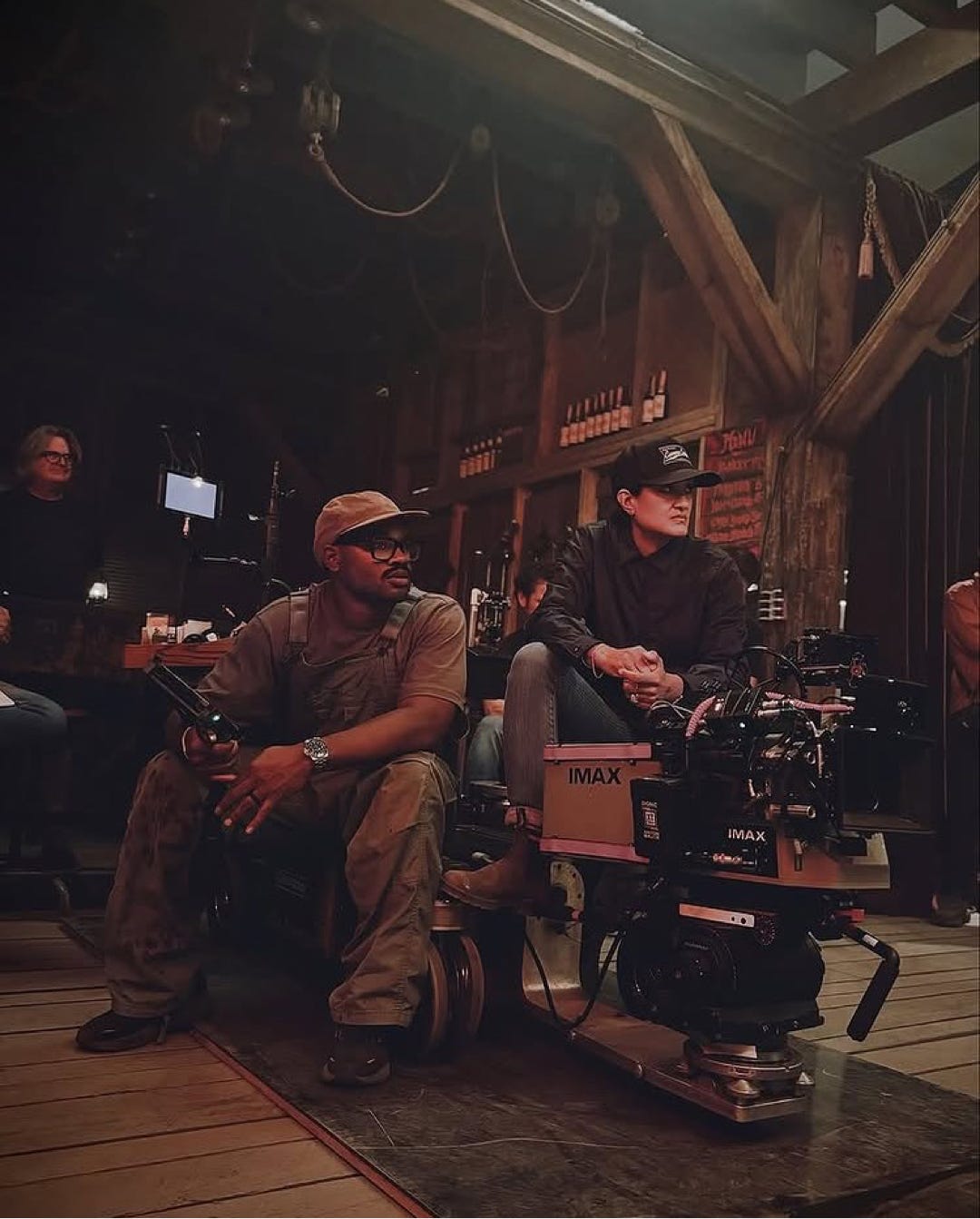
Now, I was already planning to pull up to see Sinners, off the sheer principle of ‘rooting for everybody Black.’ But after that 10 min video which I happily absorbed, I immediately bought that ticket. I saw the film, ugly cried in theaters, and watched it go on to become the most nominated movie in Oscar history.
Ryan’s art will always speak for itself, and rightfully so. But it was the exposure of his creative process that turned me into a superfan. And I think this combination of education, process, and artists being brave enough to let the world in is going to become our saving grace in the age of AI.
Nothing feels real anymore, and honestly, nothing has to.
AI slop is starting to get more believable, AI music artists are creeping onto playlists and Billboard charts, everything is easier to steal and copy. It’s scary, but there’s also another side of this.
There’s an ironic possibility that the more AI is pushed on us, and it will be, the more we’ll start craving tangible media and cherishing the people who are openly putting the work in.

We’re slowly entering a “Show Your Work” era. If everything becomes easy to make, it will no longer be about the product or the art itself as much as it will be about the person’s story behind it all.
You just dropped a new song? Cute. But how do I know you actually put something into this versus just letting a bot make it?
You have a new podcast? Cool. But what about you makes you someone I should listen to or trust advice from? What have you been through?
Watching Ryan take us behind the creation of Sinners didn’t just make me excited about the film. It made me feel like I was about to experience something patiently made with care by a true expert. And that’s the real power a thoughtful rollout can create.
I’m delusionally hopeful enough to believe there’s a real chance we actually won’t get dumber because of AI. Instead, I hope it turns us into creative investigators who are hungry for substance. I hope we get pickier about what we’re consuming and why. I hope we seek out storytellers who can pull us into long, slow-burn careers instead of giving us quick one-off moments. I hope we crave being able to hold things in our hands and sit with stories for years, instead of 15 seconds.
And I also hope that artists and creatives embrace this need for depth, and not run away from it just for the sake of keeping art elusive.
Not everyone needs to be a full-time content creator, but everyone needs to figure out how to make their stories more accessible.
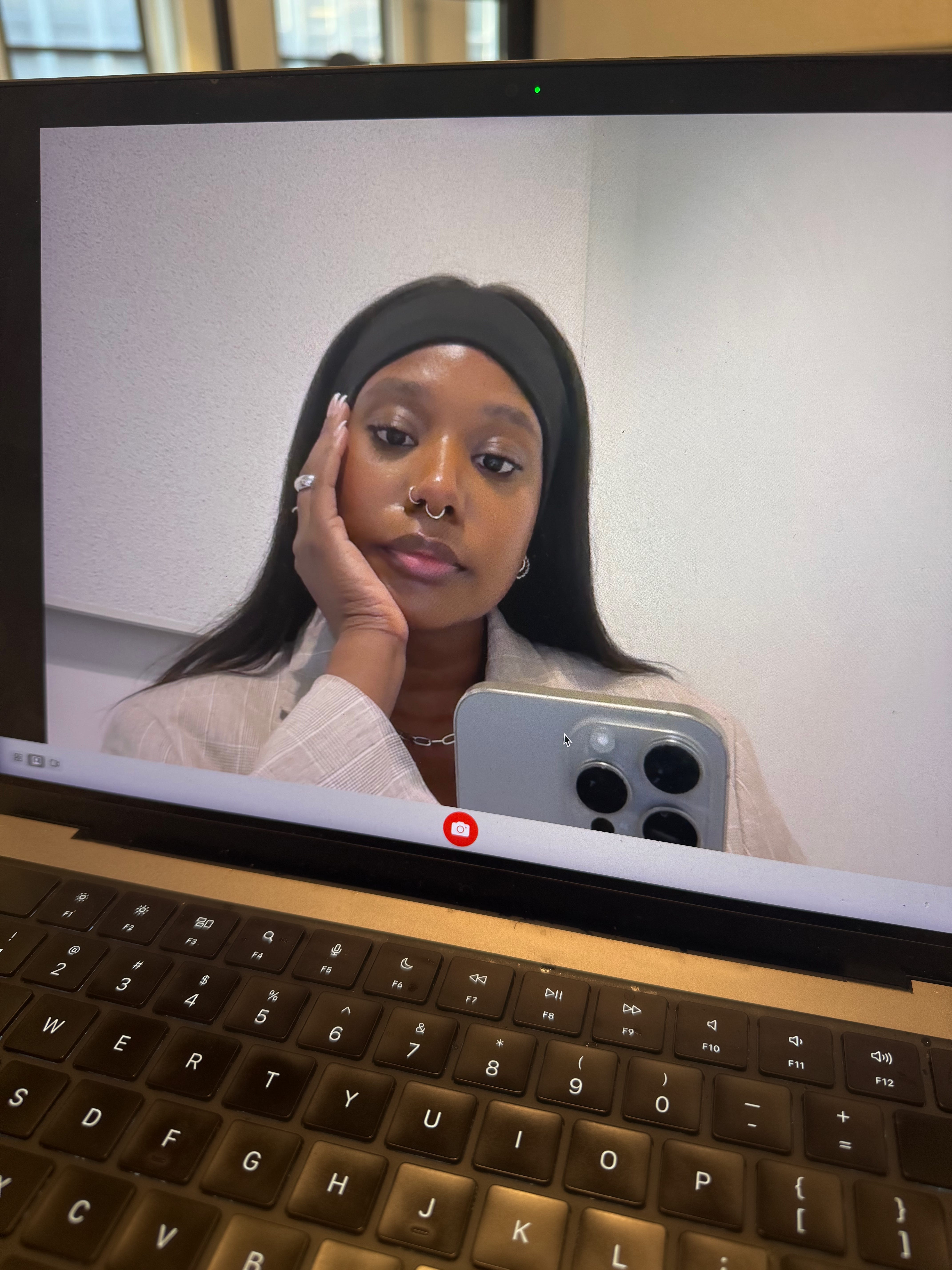
Most artists HATE posting anything online other than the finished product, and I’m guilty of that too. We struggle with having to be more visible, because most of us would much rather be introverted, drop a project, and go. That’s why many of us got left behind when the creator economy started to boom, because bite-sized creativity felt like too big of a sacrifice.
It’s uncomfortable creating something and then figuring out how to market it to the world. Artists are already shouldering 115% of the job of sustaining our own careers, and every time the market shifts we’re just expected to learn another thing to stay afloat. It is exhausting to constantly maneuver to do more, without the resources to do so.
But I also think it’s a challenge many of us need. We’re all about to be called to really examine who we are as storytellers, and what it means to start moving with a ‘quality-over-quantity’ mindset.
We’re no longer living in a world where a polished rollout or surprise drop is enough to convert people from scrolling to actively engaging what you’re doing. Even for the small few who do have the budget and team of their dreams, the ability to create and own your own narrative in a real way is now the differentiator. (Have you noticed random celebrities are starting to make content now? This is why.)
For a larger few of us, we’ll have to come to terms with the fact that a traditional deal or life-changing big break may take years to find us, if at all. We may not be able to rely on big marketing budgets or investors to help us break through, and we’ll need to confront our unease with organically growing an audience.
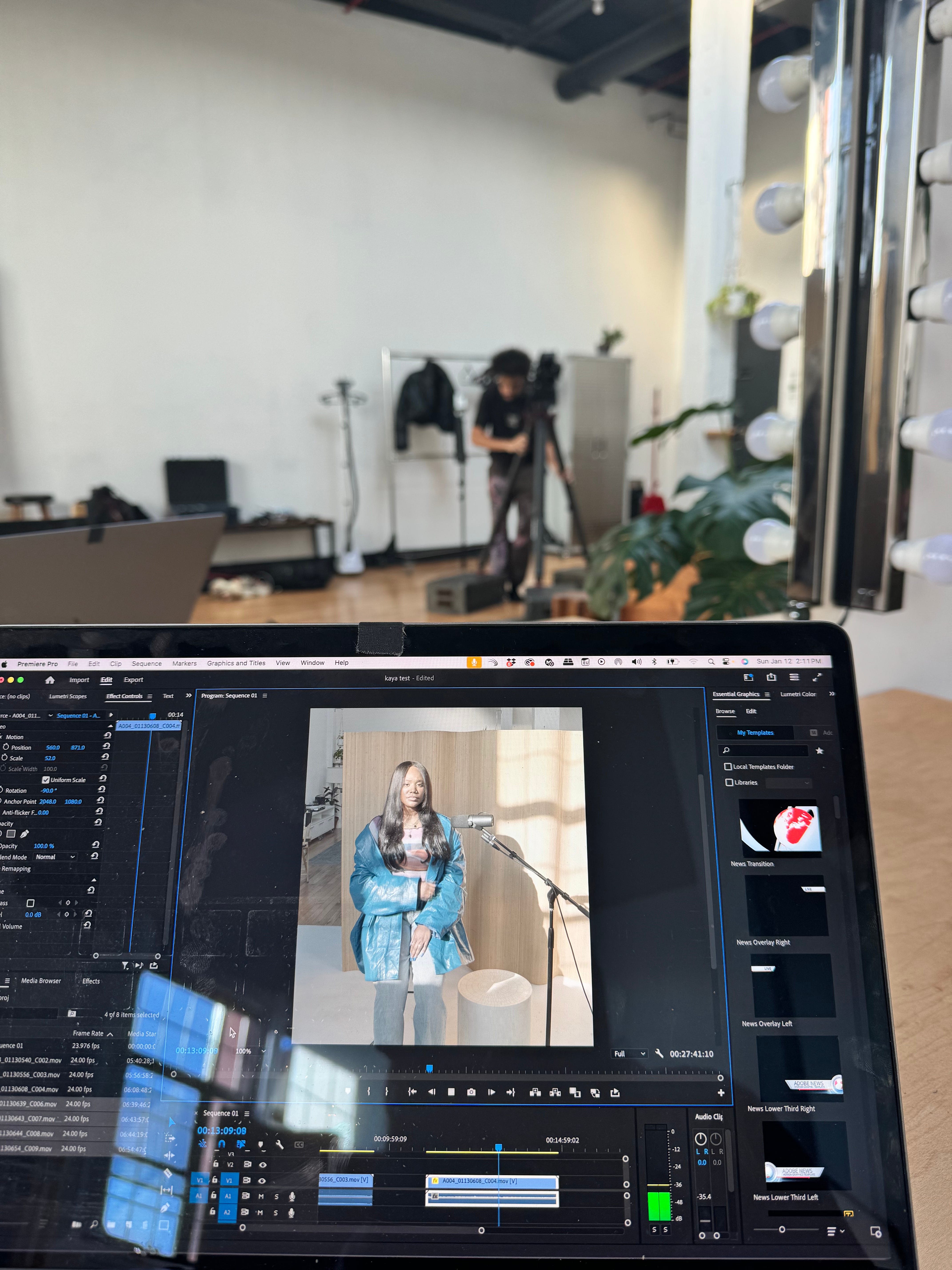
Since marketing through content is the only thing that cuts through these days, I think this same reflection will happen for creators, founders, and anyone that’s building anything that needs the internet. Being a faceless brand with no proof of process or journey, will leave you at the mercy of AI drowning you out. We’re all selling a product at the end of the day, so that alone doesn’t mean anything.
I think the main reason artists shy away from exposing our process is because we think that means it will cheapen our work or distract from it. It doesn’t have to. But it does mean being more intentional about how what you’re creating teaches people, and how you offer a peek into your process in a way that’s manageable for you.
Your creative process is a big deal. Show it off.
The ‘Show Your Work’ era is less about constantly giving the world something, and more about how every moment you show up can plant another seed of your story in someone’s mind.
Start Documenting. Before you try to make your content feel too much like content, start documenting things you’re already doing. Record voice notes while you work through something. Prop up a camera to record how you set up your equipment. B-Roll is always important, and something you can edit together later.
Teach One Small Thing. Tell us why you like working with that specific camera. Walk us through why that shoot was exhausting to pull off, but you did it anyways. Start that Substack that pulls back the curtain and exposes how your brain works. People always want to learn, and you’re already an expert.
Put Your Story in the Rollout. Stop dropping things with no context. Let people invest in the process with you, so they feel like they’re a part of the release. Show us how you’re creating a careful experience that only you can create.
And yes, that may mean popping up on the internet more often to simply be a human that is creating art, not just an artist that’s pushing us to consume something. It’s not about overdoing visibility, it’s about intentional visibility.
AI can’t recreate that.
Ah! Had the same feeling when I saw that Kodak’s Coogler video last year. It made me double-down on the need to chase craft first, which meant slowing down to really develop as a filmmaker (writer, director). But as a strategist and narrative architect, I also know the importance of showing your work, as you say. It’s tough. I want to protect the space of where I’m at in this particular stage, which feels formative. But I also can’t be so hidden that I’m only seen when the work is fully formed. I have worked through some ideas on how to navigate that but let’s see if I’m brave enough to actually land it. Appreciate this piece, very timely.
This is a great take about us entering into a show your work era. I’ve been deeply trying to figure out how to do that last line of “showing up as a human not just an artist asking people to consume.” I find that I struggle with perfectionism not just because of what others will say but because of how high of a standard I hold myself to. But the process is the heart of the work and I’ve gotta be willing to let people see it so they can fully understand how we got here.
But thanks for this. Really good stuff!